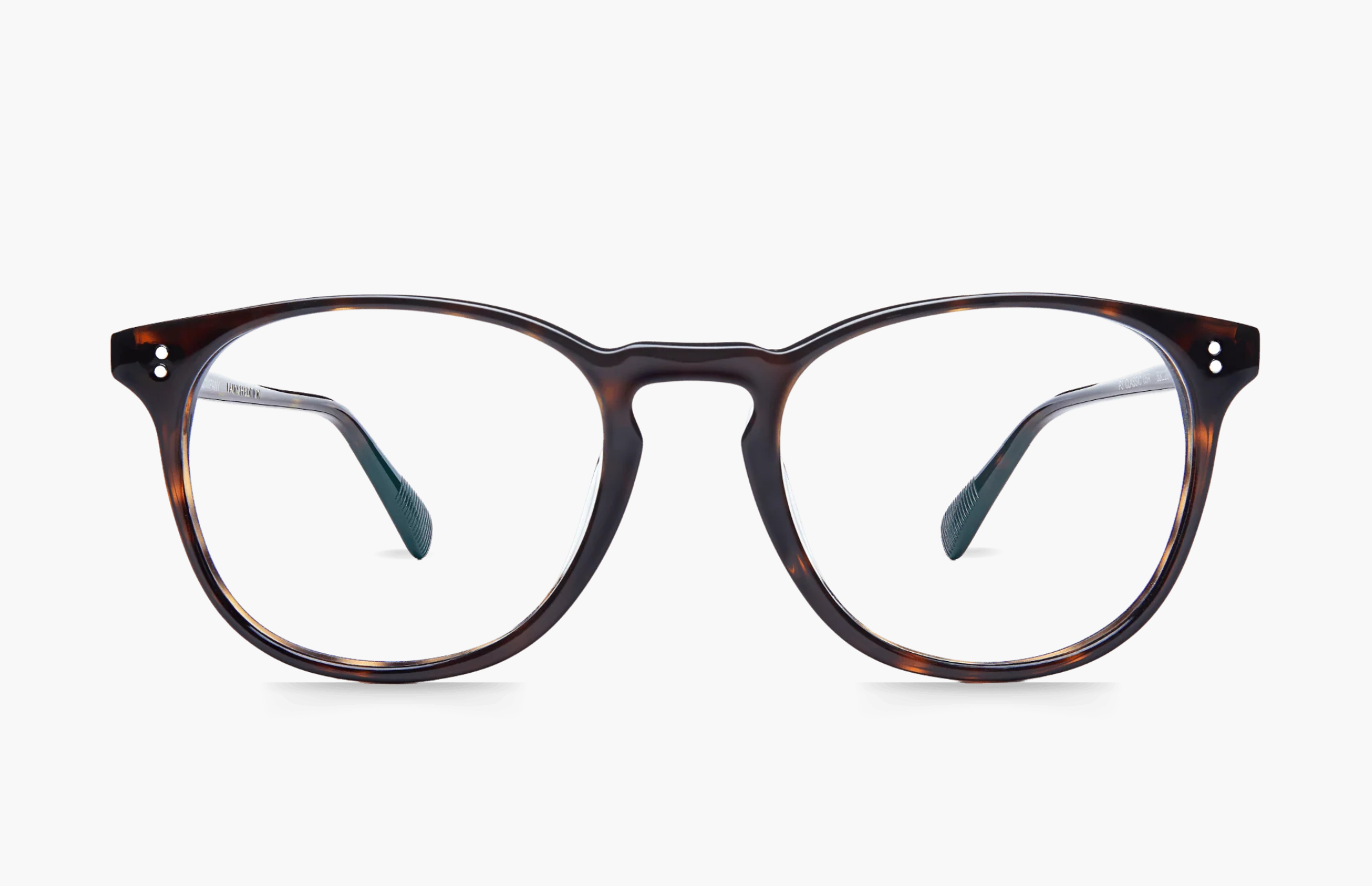
The emergence of Rocket Eyewear, a homegrown Singapore brand founded in 2016, has introduced a different approach to sunglass design. Rather than the traditional model of offering dozens of frame shapes in a single fit, Rocket has committed to a single, versatile frame shape made in multiple fits and sizes. This shift raises an important question for anyone serious about eye health: Is this fundamentally different from traditional sunglasses? And if so, what does that difference mean in practical terms?
What Traditional Sunglasses Offer
The traditional sunglass market operates on a principle of variety. A major eyewear retailer might stock 200 to 500 different frame styles, sizes, and colours. The assumption is that this breadth of choice increases the likelihood that any individual customer will find something that appeals to their aesthetic preferences.
From a business standpoint, this makes sense. More styles mean more shelf space, broader appeal across demographic groups, and the ability to cater to fashion trends. A customer walks in, browses, tries on several options, and selects based on how they look in the mirror.
The optical specifications of traditional sunglasses are generally sound. Quality brands offer 100 percent UV filtration, which is essential. Lens coatings resist scratching. Materials range from glass (optically superior but heavy and fragile) to polycarbonate (lightweight and impact resistant). Polarized options are available for those who want glare reduction during driving or water activities.
However, traditional sunglass design operates under a constraint: frames are manufactured in standard dimensions that are meant to accommodate a wide range of facial geometries, but optimally fit none of them. A typical frame might be available in one width (say, 140 mm) and one bridge size (say, 18 mm). This is a mathematical compromise. It fits many people adequately, but fits relatively few people well.
What Rocket Eyewear Changed
Rocket Eyewear began with a personal problem. The founders, Ming and Shing, noticed that their mother kept losing her sunglasses during travels. They decided to create the perfect pair for her. Rather than redesigning the wheel, they selected a classic frame shape, the P3 (originally designed for U.S. soldiers in World War II and worn by actors like Grace Kelly and Gregory Peck in the 1950s), and committed to making it in multiple configurations to suit diverse facial anatomies.
This is where Rocket's approach diverges fundamentally from traditional sunglasses.
The Specification Difference:
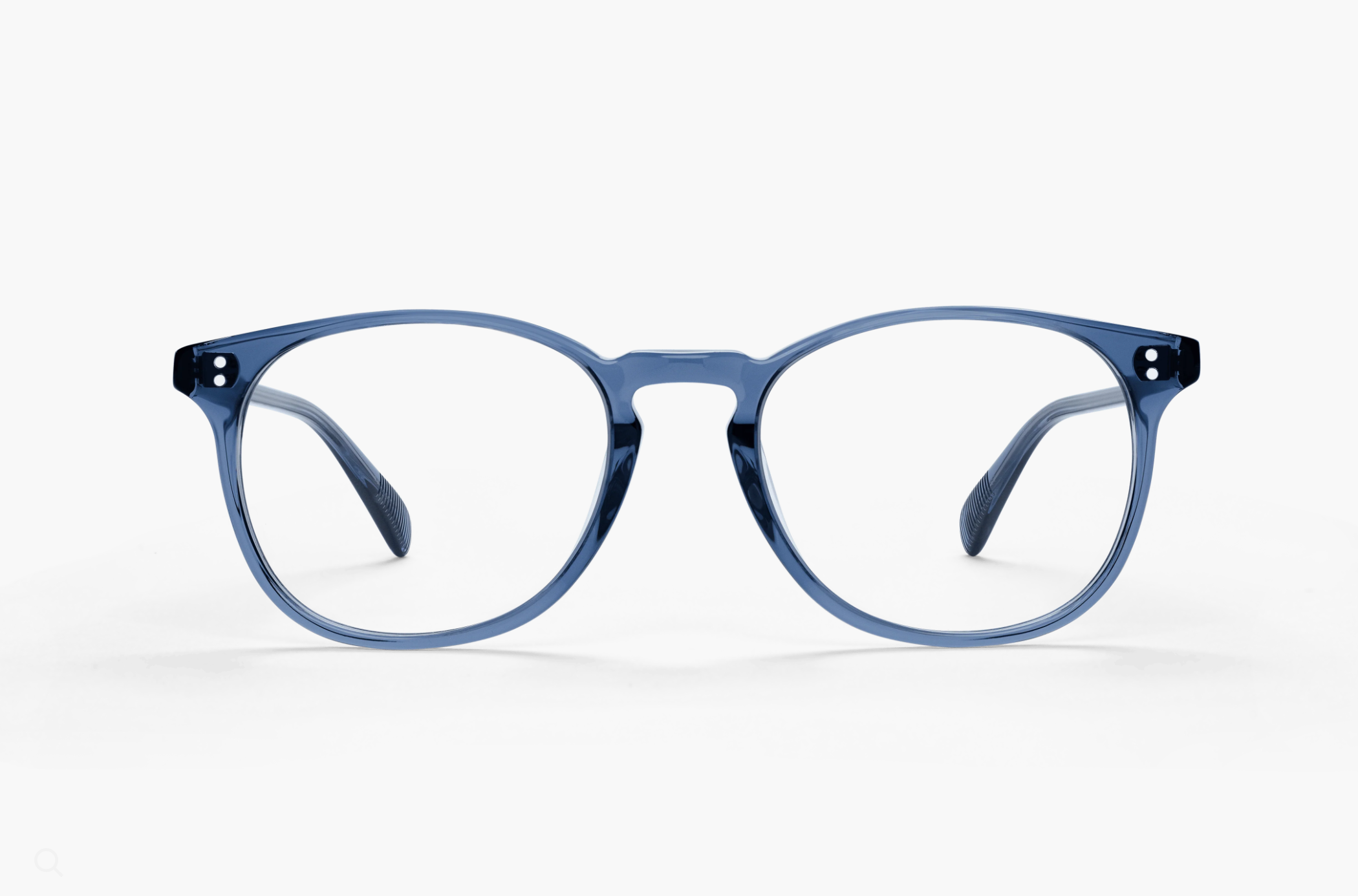
Rocket Eyewear's MTO P3 Classic comes in the following configurations:
- Two fits: Raised "Asian" Fit (with 12-mm nose pads that position frames higher on the face) and Standard "European" Fit (with conventional nose pad positioning)
- Three sizes: Original (143 mm), Tailored (136 mm), and Small (sizes not specified but smaller)
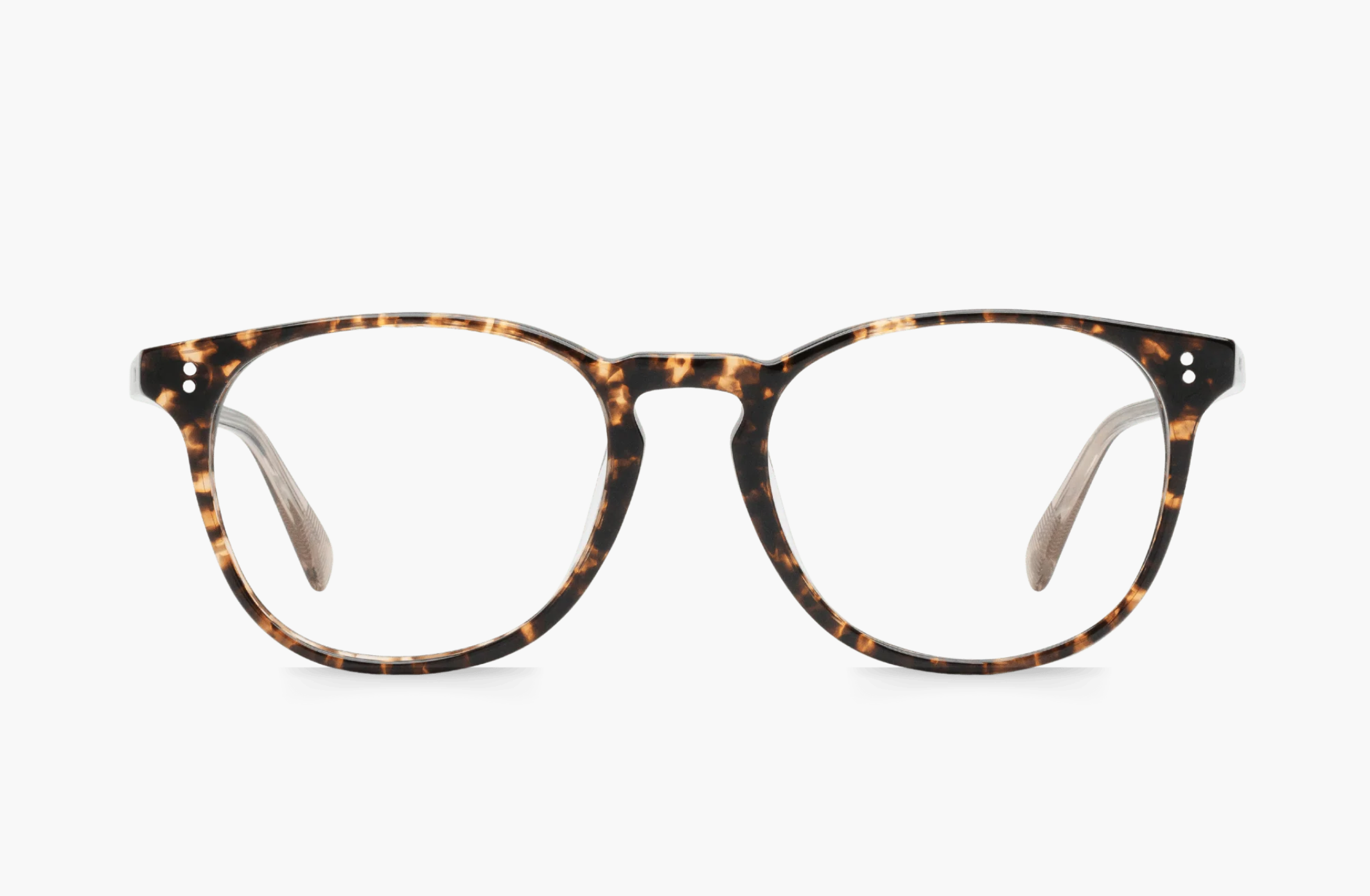
- Over 40 colour and lens combinations
This means a single person can now choose not just their preferred colour, but also the frame width and fit that aligns with their actual facial dimensions.
The Material and Technology:
Rocket frames are handcrafted from acetate, a durable plastic that is lightweight (approximately 29 grams) and malleable. The temple arms can be adjusted by the wearer without special tools or heat, allowing for fine-tuning of fit after purchase. The hinges are 5-barrel stainless steel rivets, providing structural durability.
Lenses are CR-39 plastic with polarization options and 100 percent UV filtration. CR-39 is a proven optical material in professional optometry. It resists scratches (when properly treated) and can be manufactured with precise optical properties. Rocket partners with a Singapore-based optical laboratory, meaning prescription lenses can be added to any frame, and blue-light-blocking options are available for screen use.
Direct Comparison: Rocket vs. Traditional Sunglasses
Traditional Sunglasses:
- Available in 1-2 standard sizes across the entire collection
- Nose pad positioning is fixed and standardized
- Fit is adequate for many, optimal for few
- Adjustment typically requires professional tools or heat
- Customer selection is often based on aesthetics, not fit measurement
Rocket Eyewear:
- Available in 2 fits and 3 sizes within a single frame shape
- Nose pad positioning can be chosen based on facial anatomy (Raised for higher cheekbones, Standard for conventional geometry)
- Fit can be precisely selected for individual dimensions
- Customer can fine-tune fit by adjusting malleable temple arms without tools
- Sizing guidance includes frame width measurements and sales data showing preferences by gender
Who Benefits Most from Each Approach
Traditional Sunglasses Are Ideal For:
- Customers who prioritize fashion and want seasonal variety
- People with standard facial proportions who fit conventional frame sizing
- Those seeking luxury branding or designer aesthetics
- Individuals who want to own multiple styles for different occasions
Rocket Eyewear Is Ideal For:
- Anyone with facial anatomy that does not fit standard sizing (small faces, high cheekbones, flat nasal bridges, prominent noses)
- People who value functional stability over trend-driven aesthetics
- Individuals with refractive error who want a prescription sunglass that actually fits
- Those who appreciate a single, iconic design and want to own it in multiple colours
- People who prioritize consistent quality and local manufacturing
Conclusion: Integration Into Your Eye Care
The Rocket Eyewear vs. traditional sunglasses question is not really a binary choice. Rather, it reflects different priorities. If you value consistent fit, single-design commitment, and the ability to add prescription lenses to your existing frames, Rocket represents a thoughtful approach. If you prioritize aesthetic variety and fashion positioning, traditional brands remain compelling.
This means:
- Have your eyes examined by an optometrist
- Discuss your lifestyle and visual demands (driving, sports, daily outdoor exposure)
- Consider whether you have refractive error that might benefit from prescription sun protection
- Measure your current frames or have an optometrist measure them for you
- Select based on fit and optical specifications, not appearance alone
- Return for follow-up if adjustment or adaptation is needed
At People's Optics, we believe that eye protection is not a secondary concern. Whether you choose Rocket, a traditional brand, or any other sunglass, the decision should be informed by professional guidance and grounded in your actual needs.
Rocket Eyewear Singapore (rocketeyewear.com)